

“This is a unique opportunity to collaboratively engage with skilled nursing facility leadership, staff, residents, and families to immediately address this devastating pandemic in preventing new infections and in using these strategies for other infectious challenges that may come in the future.”
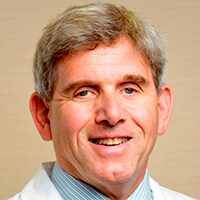
Joshua Chodosh, MD, MSHS, holds the inaugural endowed Michael L. Freedman professor of Geriatric Research in the Division of Geriatric Medicine and Palliative Care in the Department of Medicine at NYU School of Medicine. He is a clinical geriatrician, seeing patients in the VA NY Harbor Healthcare System and is founding Director of the Freedman Center on Aging, Technology, and Cognitive Health (CATCH) and co-Director of the NYU Aging Incubator. Dr. Chodosh conducts multiple AD/ADRD NIH and VA pragmatic clinical trials and leads the Outreach and Recruitment Core of the NYU Alzheimer’s Disease Center. He has held a number of leadership roles focused on healthcare policy impacting the quality of care for patients with chronic disease, particularly those living with dementia. Dr. Chodosh served as chair of the State of California Alzheimer’s and Related Dementias Advisory Committee and co-chaired a statewide effort leading to the California State Plan for Alzheimer’s disease.
RATIONALE: The COVID-19 pandemic has been particularly devastating for those with multimorbidity including Alzheimer’s disease (AD) and AD related dementia (AD/ADRD) and who are living in congregant environments such as skilled nursing facilities (SNF). ADRD SNF residents are at greatest risk of being unable to comply with prevention behaviors and subsequently impact the entire facility and staff. Not surprisingly, long-term care facility deaths have been among the largest proportion of state reported deaths. Asymptomatic spread may also be higher in these settings, further challenging our ability to achieve isolation practices without complete isolation of all residents – resulting in harmful social isolation, especially for those with ADRD.
OBJECTIVE: Design and pilot test an intervention that leverages the COVID-antibody and PCR status of residents and staff to inform staff-residents care assignments that will minimize COVID-19 transmission rates.
SETTING: Two New York City nursing facilities with high minority and ADRD representation.
POPULATION: People with ADRD and those who are living in congregant environments such as SNF.
DESIGN: We will develop facility-specific staff-resident assignment protocols based on COVID-19 serology and PCR testing, which are feasible, scientifically sound, safe, and acceptable to stakeholders: administrators, clinical leaders, front-line staff, residents and families. Methods will include: 1) obtaining stakeholder feedback for testing and cohorting protocol refinement; and 2) implementing SNF-unit staffing assignment strategies based on COVID-19 serology and PCR status to minimize viral transmission.
OUTCOMES: We will measure a) COVID-19 resident and staff incidence; and b) related hospital transfers. We will assess implementation by: 1) % intended pairings achieved; 2) reasons for success/failure; and 3) intervention acceptability using exit interviews with stakeholders.
IMPACT: We anticipate our findings will enable a larger trial to create evidence-based policy for nursing homes’ staff-resident assignments that minimize risk of acquiring COVID-19.