

NYU Rory Meyers College of Nursing
Leveraging mHealth to reduce avoidable utilization by people with dementia in day centers
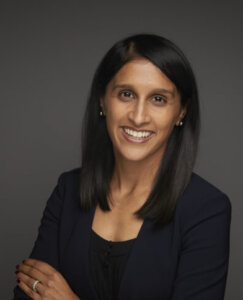
Dr. Sadarangani is an assistant professor at NYU Rory Meyers College of Nursing and a board-certified nurse practitioner. She is committed to improving the health of older adults in diverse communities by leveraging the strengths of community-based organizations. Her current research focuses on using mobile health mechanisms to integrate health and social services provided to persons with dementia within adult day centers with primary care settings in order to reduce avoidable healthcare utilization. Dr. Sadarangani is a Fellow of the Hartford Institute for Geriatric Nursing and a Senior Fellow of the NYU Aging Incubator. She is a leading member of the National Adult Day Services Association Research Committee and is committed to using community-based participatory action research methods to enhance stakeholder engagement in the research process.
People living with dementia (PLWD) in the community are highly susceptible to experiencing emergency department visits and hospitalizations that are potentially avoidable. Adult day service centers (ADCs) provide community-based care to a growing number of racial/ethnically diverse people with dementia. Daily assessment by ADC staff (e.g., registered nurses, social workers) supports early detection of clinical problems such that timely notification of acute changes in health care to primary care providers could potentially prevent minor health issues from escalating into medical emergencies. Mobile health (mHealth) interventions improve communication across a variety of health care settings but have not been designed for ADCs. The Career Development Award will provide Dr. Sadarangani with necessary training in stakeholder engaged approaches to developing mHeath technology and embedded pragmatic trial design to lead independent research that integrates care from ADCs and primary care physicians using mHealth. This training will support the following Specific Aims: (1) To identify key domains of an mHealth application intended to support communication between ADCs, primary care physicians, and informal care partners regarding people with dementia and (2) To design an mHealth application intervention intended to support communication between ADCs, primary care physicians, and informal care partners. This study innovatively leverages ADCs’ strengths and stakeholders’ perspectives to inform the development of a pragmatic user-centered mHealth application. Findings from this study will provide a basis for reducing costly and traumatic outcomes affecting vulnerable PLWD cared for in ADC networks.