Modifications and Waivers of Informed Consent in Pragmatic Clinical Trials

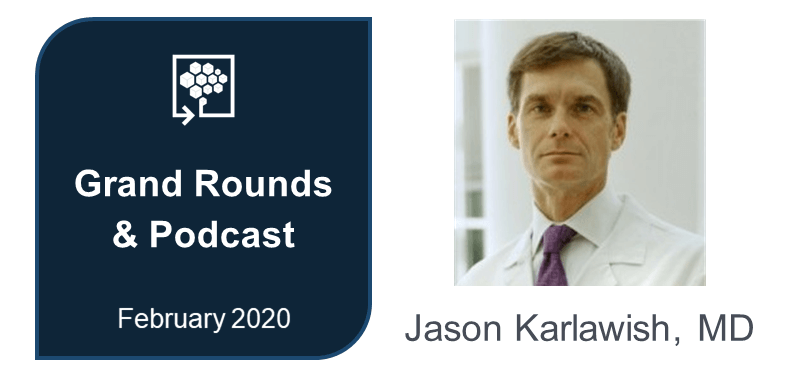
February 2020 – In Grand Rounds 4, Dr. Karlawish discusses waivers and alterations of written informed consent in pragmatic clinical trials (ePCTs). He provides two case studies of ePCTs to determine whether or not it is appropriate to permit a modification or a waiver of research informed consent.

Speaker

Jason Karlawish, MD

Jason Karlawish, MD
Core Leader, Ethics & Regulation Core

Professor of Medicine, Medical Ethics and Health Policy, and Neurology
Co-Director, Penn Memory Center, University of Pennsylvania

Learning Objectives

  • Identify how consideration of ethical and regulatory issues in the design phase of an ePCT with PLWD can help make the study more pragmatic.
  • Review the regulatory requirements for a waiver or alteration of informed consent and discuss related ethical considerations.
  • Apply what we’ve covered to two case studies.


Additional Resources

  • 45 CFR 46 – Protection of Human Subjects
  • Scott Kim and Frank Miller. “Waivers and alterations to consent in pragmatic clinical trials: Respecting the principle of respect for persons.” IRB: Ethics and Human Research. January-February 2016, Vol 38, issue 1.
  • January 31, 2008 SACHRP letter to HHS Secretary: Recommendations related to waiver of informed consent and interpretation of “minimal risk,” available at https://hhs.gov/ohrp/sachrp-committee/recommendations/2008-january-31-letter/index.html

Stepped Wedge Cluster Randomized Trials: What, How, And When?

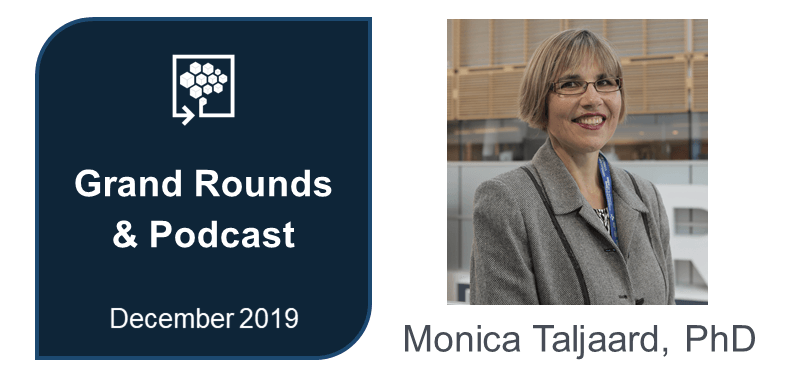
December 2019 – In Grand Rounds 2, Dr. Taljaard describes the use of stepped wedge design in cluster randomized trials (SW-CRT), a novel research design embraced by clinical researchers.

Speaker

Monica Taljaard, PhDMonica Taljaard, PhD

Executive Committee, Design & Statistics Core

Senior Scientist, Ottawa Hospital Research Institute
Associate Professor, University of Ottawa

Learning Objectives

  • Describe the key characteristics and main types of stepped wedge cluster randomized trials (SW-CRTs) with examples.
  • Explain the main approach to analysis and sample size calculation for SW-CRTs.
  • Discuss what is an appropriate justification for using a SW-CRTs.


Related Articles and Resources

  1. Kasza J1, Taljaard M2,3, Forbes AB1 Information content of stepped-wedge designs when treatment effect heterogeneity and/or implementation periods are present https://www.ncbi.nlm.nih.gov/pubmed/31321806
  2. Teerenstra S, Taljaard M, Haenen A, Huis A, Atsma F, Rodwell L, Hulscher M. Sample size calculation for stepped-wedge cluster-randomized trials with more than two levels of clustering. Clinical Trials. 2019; 16(3):225-236. doi: 10.1177/1740774519829053.
  3. R package ‘swCRTdesign’  http://faculty.washington.edu/jphughes/pubs.html
  4. R-Shiny (Hemming & Kasza) https://clusterrcts.shinyapps.io/rshinyapp/ 

Are you ready for a pragmatic trial? The RAPT model and implementation considerations

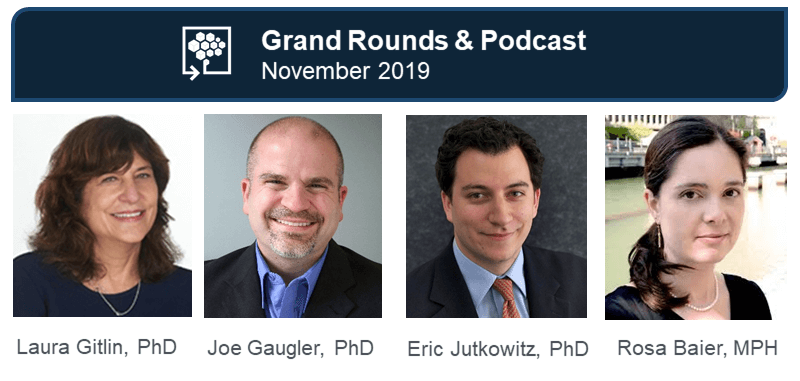
November 2019 – Grand Rounds 1 focuses on using the Readiness Assessment for Pragmatic Trials (RAPT) model to assess an intervention’s readiness for an ePCT. RAPT includes 9 domains that reflect a range of considerations regarding the feasibility of successfully employing pragmatic methods and the prospect of an intervention’s widespread adoption, if proven effective.

Download Webinar Slides

Laura Gitlin, PhD, FGSA, FAAN

Laura Gitlin, PhD, FGSA, FAAN

Core Leader, Implementation Core

Dean, Distinguished Professor, Drexel University
Adjunct Professor, Johns Hopkins University

Joe Gaugler, PhD

Joe Gaugler, PhD

Associate Core Leader, Implementation Core

Robert L. Kane Endowed Chair in Long-Term Care and Aging, Professor, University of Minnesota

Rosa Baier, MPH

Rosa Baier, MPH

Executive Committee, Implementation & Health Care Systems (HCS) Cores

Director, Center for Long-Term Care Quality & Innovation
Associate Professor, Health Services, Policy & Practice, Brown University School of Public Health

Eric Jutkowitz, PhD

Eric Jutkowitz, PhD

Executive Committee, Implementation Core

Assistant Professor, Brown University School of Public Health

Learning Objectives

  • Understand how RAPT complements and differs from PRECIS-2
  • Understand RAPT's domains and their relevance for conducting an ePCT
  • Learn how RAPT results can inform decisions about and preparation for proceeding to an ePCT
  • Be prepared to apply RAPT to interventions and use results to guide team discussion

Pilot Grants Program

Pilot Grants Program

Program Overview

The National Institute on Aging (NIA) Imbedded Pragmatic Alzheimer’s Disease and Alzheimer’s Disease-Related Dementias (AD/ADRD) Clinical Trials (IMPACT) Collaboratory (U54AG063546) was established in 2019 to build the nation’s capacity to conduct embedded pragmatic clinical trials (ePCTs) of non-pharmacological interventions within health care systems to improve the care of people living with dementia (PLWD) and their care partners.

The IMPACT Collaboratory Pilot Grant Program funds pilot ePCTs that are designed to demonstrate the feasibility and inform the design of a future full-scale ePCT (Stage IV effectiveness based on the NIH Stage Model) to evaluate non-pharmacological interventions embedded in health care system(s) for PLWD and their care partners.

The IMPACT Collaboratory provides guidance for investigators in the design, conduct, and dissemination of ePCTs through its Cores.

Funding Opportunity Description

The IMPACT Collaboratory will fund up to three pilot ePCTs that are designed to demonstrate the feasibility and inform the design of a future full-scale ePCT for people living with dementia and their care partners. All applications must make a convincing case that the proposed pilot ePCT, if successful, can be scaled to a full-scale ePCT as the next research step. Required features of the study design are delineated below under General Requirements for Pilot ePCT Application.

Awards are for 18 months, up to $300,000 (total direct costs), and are non-renewable. Indirect costs are budgeted at your institution's negotiated facilities and administrative rate. Only a single Principal Investigator is allowed, and only one application per Principal Investigator is permitted in a single funding cycle.

NIH grants policies as described in the NIH Grants Policy Statement will apply to the applications submitted and awards made from this funding opportunity.