
May 1, 2025

April 2025 – In Grand Rounds 55, Katherine Possin, PhD, discusses "Augmenting Nurse Support and Electronic Health Record (EHR) Integration for the Pragmatic Trial of the TabCAT Brain Health Assessment (TabCAT-BHA)." TabCAT-BHA is a software platform owned by UCSF to provide diagnosis in MCI and dementia.

Katherine Possin, PhD
John Douglas French Alzheimer’s Foundation Endowed Professorship
Professor in Residence
Department of Neurology
UCSF Memory and Aging Center
March 2025 - In Grand Rounds 54, Malaz Boustani, MD, MPH, discusses transforming brain health with early detection of cognitive problems in the primary care setting using the 5-cog paradigm.
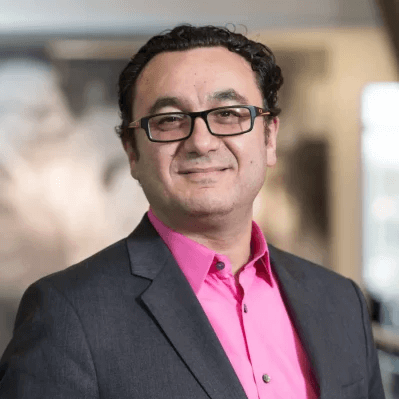 Malaz Boustani, MD, MPH
Richard M. Fairbanks Professor of Aging Research,
Indiana University School of Medicine
Research Scientist,
Indiana University Center for Aging Research
IMPACT Implementation Core Leader, Laura Gitlin, PHD, FGSA, FAAN, and IMPACT Pilot Grant Awardee, Helen Kales, MD are quoted in the recent New York Times article, “How to care for a loved one with dementia: 5 Expert Tips,” by Isabelle Taft.
The article highlights the challenges to family members providing care for people living with dementia and tips of support. Dr. Gitlin describes the importance of full disclosure about the course of the disease to help individuals and family caregivers prepare and stresses the need to check in on caregivers. Dr. Kales encourages people living with dementia and their care partners to avoid the temptation for isolation and remain social. Other recommendations in the article include establishing a caregiving team, seeking help from experts, and considering using technology that can help monitor loved ones.