

The other dementia breakthrough—Comprehensive dementia care
May 22, 2023
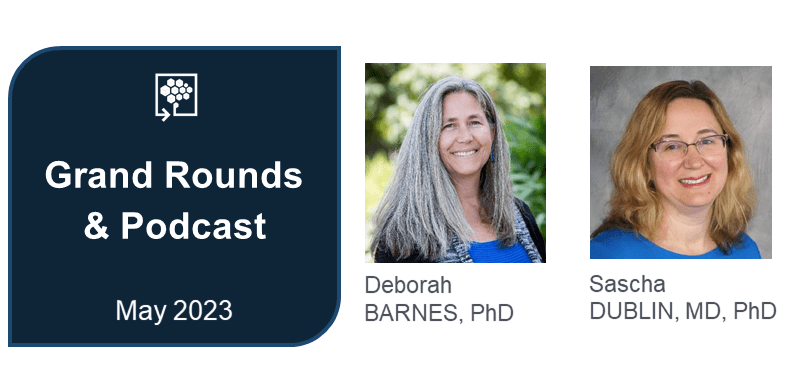
May 2023 – In Grand Rounds 37, Drs. Barnes and Dublin discuss the use of eRADAR - electronic health record (EHR) Risk of Alzheimer's and Dementia Assessment Rule - for targeted dementia screening in higher-risk older adults.
-
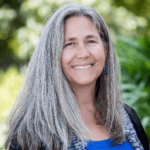 Deborah Barnes, PhD
Professor
Psychiatry and Behavioral Sciences
Epidemiology & Biostatistics
University of California, San Francisco
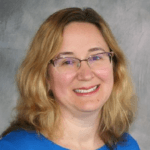 Sascha Dublin, MD, PhD
Senior Investigator
Kaiser Permanente Washington Health
Research Institute
April 2023 – In Grand Rounds 36, Dr. Kali S. Thomas shares findings from a pilot pragmatic clinical trial that evaluated the impact of two models of home-delivered meals for older adults living with dementia.
 Kali S. Thomas, PhD
Associate Professor
Health Services, Policy & Practice
Brown University
-------------Download Webinar Slides
March 2023 – In Grand Rounds 35, Dr. Eleanor "Ellie" Murray explores causal inference in randomized pragmatic trials highlighting topics such as immortal time bias, per-protocol effects, and how to use the SMARTER acronym when thinking about causal research questions.

Eleanor Murray, PhD
Assistant Professor
Epidemiology
Boston University School of Public Health
@EpiEllie