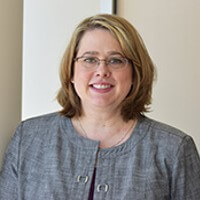
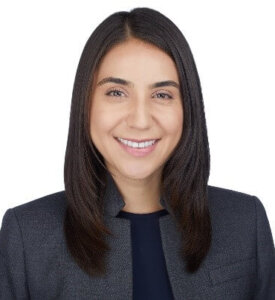
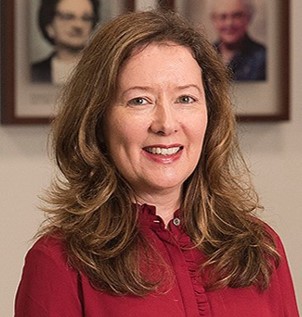
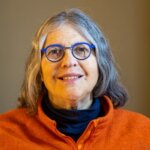
Maggie Ramirez, PhD, MS, MS

University of Washington

Virtual Training for Latino Caregivers to Manage Symptoms of Dementia
Health Care Systems

  • UW Medicine
  • WWAMI Region Practice and Research Network

Dr. Ramirez is an assistant professor at the University of Washington School of Public Health, Department of Health Systems and Population Health. Dr. Ramirez is also an affiliate investigator at the Kaiser Permanente Washington Health Research Institute. She has an interdisciplinary background in learning health systems research, public health, and human-centered design. Her research focuses on how information and communication technology can be used to enhance the delivery of health interventions targeting populations impacted by disparities in health status and healthcare delivery. She currently leads research on a virtual intervention to support the health and well-being of Latinos who provide care to family members living with dementia. Dr. Ramirez lives and works on the traditional land of the first people of Seattle – the Duwamish People, past and present – and she honors with gratitude the land itself and the Duwamish Tribe.

RATIONALE: Latinos are 1.5 times more likely to develop dementia compared to non-Latino White adults. Non-pharmacological interventions have been developed and tested to support caregivers of people living with dementia (PWLD), but they are limited by the persistent underrepresentation of Latinos. STAR-VTF is a virtual adaptation of an efficacious intervention that teaches caregivers skills to reduce behavioral and psychological symptoms of dementia.

OBJECTIVE: The objectives of this study are to 1) integrate Latino cultural values, beliefs, concerns, and language preference into STAR-VTF and 2) pilot test the adapted content among Latino care partners.

SETTING: Washington State

POPULATION: Spanish- and English-speaking care partners of PLWD who self-identify as Hispanic/Latino/a/x.

INTERVENTION: For 6-8 weeks, care partners in the STAR-VTF intervention complete weekly online training modules asynchronously, have weekly phone calls with a coach (e.g., social worker), and receive ongoing support from the coach via secure email messages. This study focuses on pilot testing the adapted asynchronous, online training modules component of the intervention.

OUTCOMES: The primary outcome is the Revised Memory and Problem Behavior Checklist, which measures the frequency of behavioral and psychological symptoms of dementia and the impact these symptoms have on care partners.

IMPACT: This pilot study will enable us to perform and refine adaptations of the STAR-VTF intervention for Latino care partners. The long-term goal is to accelerate wide adoption of STAR-VTF in healthcare systems to improve the quality and outcomes of care for Latino PLWD and their care partners.

Challenges conducting pragmatic trials of interventions for care partners of people living with dementia

November 2021 – In Grand Rounds 21, Drs. Penfold, Hanson, and Fortinsky, describe challenges from three pragmatic trials to share lessons learned and ideas for how to overcome these challenges in future research.

Webinar Slides

Robert Penfold, PhD


Robert Penfold, PhD
Senior Investigator, Kaiser Permanente
Washington Health Research Institute


Leah Hanson, PhD


Leah Hanson, PhD
Senior Research Investigator,
Health Partners Institute


Richard H. Fortinsky, PhD


Richard H. Fortinsky, PhD
Professor and Health Net, Inc. Endowed Chair in Geriatrics and Gerontology
UConn Center on Aging

Learning Objectives

  • Be familiar with some legal, ethical and logistical barriers to recruiting caregivers and measuring caregiver outcomes
  • To gain knowledge about the potential for mindfulness to reduce stress and depressive symptoms in care partners
  • Explain how issues involving consent and HIPAA authorization could be addressed and resolved during the IRB approval process in pragmatic trials compared to more conventional clinical trials.

Dyadic designs, their foundation on theory and analytic methods

October 2021 – In Grand Rounds 20, Dr. Lyons explains a dyadic approach to illness and care, as well as the role of theory and concepts, design and methodological considerations, and family and culture in dyadic research.


Speakers

Karen Lyons

Karen S. Lyons, PhD, FGSA (she/hers)

Professor

Boston College
William F. Connell School of Nursing
@KSLCareDyads

Learning Objectives

  • Understand what is meant by “dyad as unit of analysis or focus.”
  • Understand the importance of theory and concepts as foundations to dyadic research.
  • Understand some of the design and methodological considerations in designing and conducting dyadic research.


Promises and Pitfalls of Existing Data in Nursing Homes

June 2021 – In Grand Rounds 18, Drs. Teno and Saliba discuss the use of administrative data, including the Minimum Data Set (MDS) in pragmatic clinical trials and share examples of how they have used this data in their own pragmatic clinical trials.


Speakers


Joan Teno, MD, MS

Joan M. Teno, MD, MS
Professor of Medicine, Oregon Health & Science University
Adjunct Professor of Health Services, Policy, & Research, Brown University School of Public Health Physician Scientist, VA Los Angeles, GRECC and HSR&D COIN

Debra Saliba, MD, MPH

Debra Saliba, MD, MPH
Anna & Harry Borun Endowed Chair, Geriatrics and Gerontology, UCLA
Director, UCLA/JH Borun Center for Gerontological Research
Physician Scientist, VA Los Angeles, GRECC and HSR&D COIN

Webinar Recording


Download Webinar Slides


Learning Objectives

  • Pros and cons of administrative data for use in pragmatic trials
  • Address potential limitations of using administrative data to infer the quality of care
  • Discuss a controversial claim that pragmatic trials of decision-making for persons with dementia need to consider adding PCROs:
    - Addressing understanding, coercion
    - Addressing safety, “balance measures
  • Identify advantages & challenges of using MDS assessment items
  • Describe some of the MDS data elements and their performance implications for persons with cognitive impairment
  • Understand performance of resident self-report items
  • Identify pragmatic skills for direct interviews

Notice of Intent to publish a new funding opportunity for IMPACT Pilot Grants

The NIA IMPACT Collaboratory plans to publish a Request for Applications (RFA) for Pilot Grants on August 16, 2021 with Letters of Intent due September 17, 2021.

IMPACT funds several one-year awards of pilot pragmatic clinical trials (ePCTs) that test non-pharmacological interventions embedded in health care system(s) for people living with Alzheimer’s Disease (AD) and AD-related dementias (ADRD) and their care partners. Under this mechanism, interventions must be linked to the needs of a health care system. For more information, please see our Pilot Grants page.

All applications will be considered with priority given to applications for interventions in this population that aim to:

  • Improve care through behavioral economics “nudge” interventions;
  • Reduce inequities in health care;
  • Reduce potentially inappropriate medications through de-prescribing; and
  • Improve care in emergency department.

The goal of the pilot projects is to generate the preliminary data necessary to design and conduct a future full-scale Stage IV effectiveness ePCT (based on the NIH Stage Model). The IMPACT Collaboratory will give preference to applications that address dementia care for populations traditionally marginalized or underrepresented in clinical trials and those that promote health equity. It is anticipated that Pilot Projects will be funded for up to $175,000 in direct costs for a maximum of 12-months.

Stay tuned for updates regarding the release of the RFA, an informational webinar and application deadline. If you have questions related to this funding opportunity, please contact IMPACTcollaboratory@hsl.harvard.edu.

Patient and Caregiver Relevant Outcomes

Patient and Caregiver Relevant Outcomes

test1

est2

Tip Sheet

Phasellus vehicula magna sit amet dui pulvinar vulputate. Cras viverra faucibus metus, sit amet eleifend neque sodales aliquet. Pellentesque tempus lectus urna, nec rutrum nunc euismod quis. Quisque pretium id est nec imperdiet. Duis vel malesuada risus, at rutrum diam. Nullam nec massa a orci blandit ultricies non id eros. Aenean rhoncus elit ut mi accumsan tincidunt. Pellentesque in eros fermentum, efficitur neque non, ullamcorper quam. Donec maximus enim eget arcu pulvinar elementum. Aliquam et auctor massa. Aenean et turpis dictum, varius tortor in, fringilla risus. Nulla non ligula dapibus, placerat nulla vel, hendrerit risus. Donec vel tortor turpis. In felis magna, pretium id varius non, euismod sit amet felis.

Resources

Phasellus vehicula magna sit amet dui pulvinar vulputate. Cras viverra faucibus metus, sit amet eleifend neque sodales aliquet. Pellentesque tempus lectus urna, nec rutrum nunc euismod quis. Quisque pretium id est nec imperdiet. Duis vel malesuada risus, at rutrum diam. Nullam nec massa a orci blandit ultricies non id eros. Aenean rhoncus elit ut mi accumsan tincidunt. Pellentesque in eros fermentum, efficitur neque non, ullamcorper quam. Donec maximus enim eget arcu pulvinar elementum. Aliquam et auctor massa. Aenean et turpis dictum, varius tortor in, fringilla risus. Nulla non ligula dapibus, placerat nulla vel, hendrerit risus. Donec vel tortor turpis. In felis magna, pretium id varius non, euismod sit amet felis.

Other Suggested Training Modules

Phasellus vehicula magna sit amet dui pulvinar vulputate. Cras viverra faucibus metus, sit amet eleifend neque sodales aliquet. Pellentesque tempus lectus urna, nec rutrum nunc euismod quis. Quisque pretium id est nec imperdiet. Duis vel malesuada risus, at rutrum diam. Nullam nec massa a orci blandit ultricies non id eros. Aenean rhoncus elit ut mi accumsan tincidunt. Pellentesque in eros fermentum, efficitur neque non, ullamcorper quam. Donec maximus enim eget arcu pulvinar elementum. Aliquam et auctor massa. Aenean et turpis dictum, varius tortor in, fringilla risus. Nulla non ligula dapibus, placerat nulla vel, hendrerit risus. Donec vel tortor turpis. In felis magna, pretium id varius non, euismod sit amet felis.

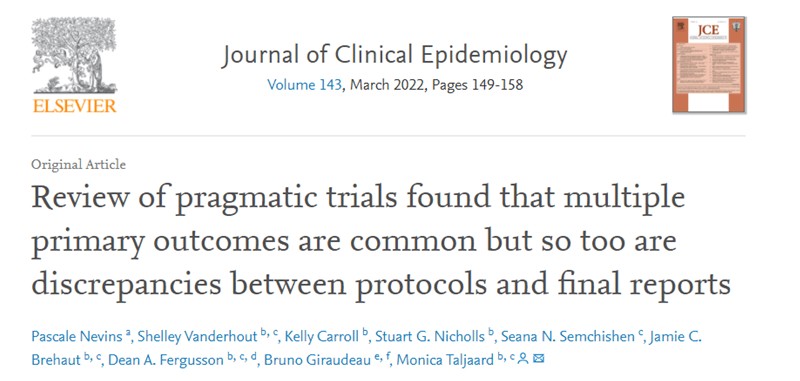
Podcast 14: Ethical challenges with pragmatic RCTs: General issues and special considerations in dementia

link to brody profileStuart Nicholls, PhD, from the Clinical Epidemiology Program at the Ottawa Hospital Research Institute, continues the discussion from his February 18 Grand Rounds presentation. This discussion with IMPACT Principal Investigator Susan Mitchell, MD, MPH answers questions from Dr. Nicholls's presentation on giving an overview of ethical issues raised by pragmatic randomized controlled trials (RCTs) and which derive from ongoing work to develop guidance for those designing and conducting pragmatic RCTs.


Want to hear more? View the full Grand Rounds presentation.

For alerts about new episodes, subscribe free on iTunes or SoundCloud.