
Better Conversations for Better Informed Consent: Talking with Surgical Patients
June 6, 2024

May 17, 2024
Authors: Katie Newkirk, PhD and Joan Monin, PhD
Description: This document provides guidance on what dyadic data is, how it is different from proxy data, and what information can be gained by collecting and analyzing dyadic data compared to proxy data when conducting embedded pragmatic clinical trials (ePCTs) that include people living with dementia and care partners. Topic covered:

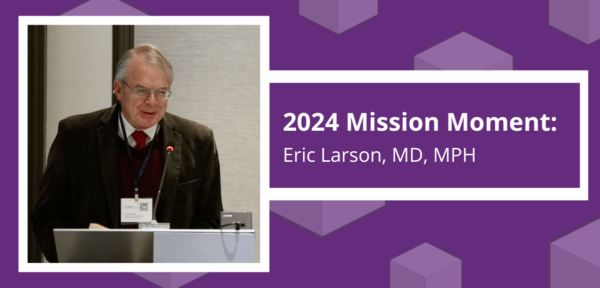
The Mission Moment for the 2024 IMPACT Annual Business Meeting was provided by the distinguished Eric Larson, MD, MPH, a professor at University of Washington, retired executive director of Kaiser Permanente Washington Health Research Institute and vice president for research and healthcare innovation at Kaiser Foundation Health Plan of Washington, and former Leader of IMPACT’s Health Care Systems Core. Dr. Larson began by reminding the group about how far the field has come in the last 60 years and called on researchers and healthcare providers to follow the Guiding Principles for Dementia Care, as described in "Meeting the Challenge of Caring for Persons Living with Dementia and Their Care Partners and Caregivers – A Way Forward" released in February 2021 from the National Academies of Sciences, Engineering and Medicine. These principles include: