
March 21, 2024
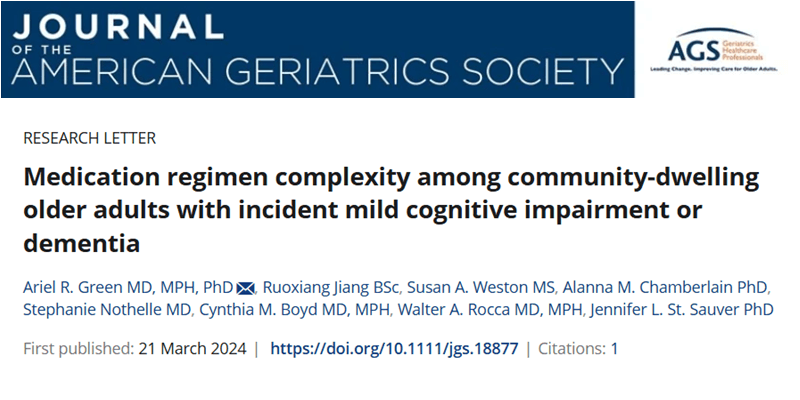

IMPACT’s Cameron Gettel, MD and Julie Bynum, MD, MPH are among the authors of the CAPRA Data Brief on health care use patterns among older adults with dementia. The brief was developed by the Center to Accelerate Population Research on Alzheimer’s (CAPRA) at the University of Michigan.
Authors demonstrated the use of Medicare claims to examine healthcare use patterns among older adults with ADRD using datasets provided by the Impact Collaboratory. The brief cites the increase in emergency care, hospitalization, and skilled nursing facility admissions for Medicare recipients and an increased need for planning and care for people with Alzheimer’s Disease and Related Dementias (ADRD) in the U.S.
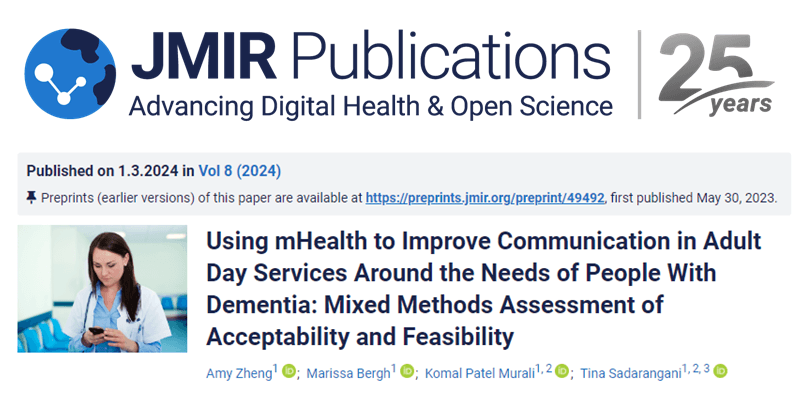
Dr. Tina Sadarangani’s CareMobi caregiver support mobile application (app) was featured in a national story on Specturm News. The CareMobi app is designed to help caregivers track patients health information, symptoms and other information needed to coordinate caregiving for older adults. The news feature describes how Sadarangani worked with caregivers, nurses, doctors and programmers to create the app, which helps coordinate a person’s entire care team. Several senior care centers are testing the app as part of a research study by the National Institute on Aging. The app is available in the Apple App Store and is currently free to all during the testing phase.
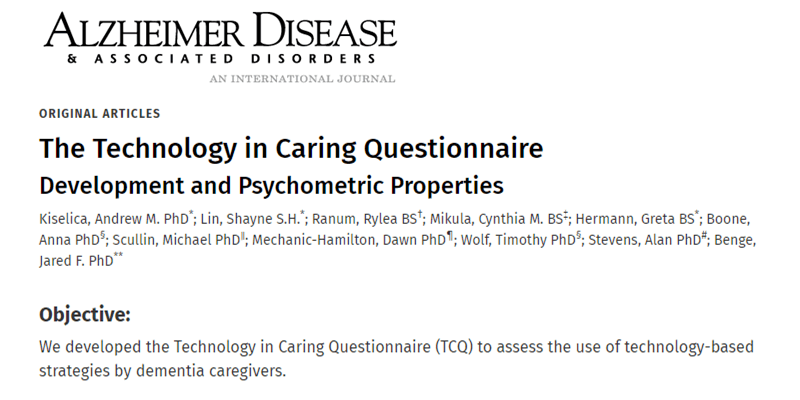
IMPACT Career Development awardee Andrew Kiselica, Tech-AiD, weighed in on the impact of a mild cognitive impairment diagnosis, and ways to manage symptoms and slow progression in a recent opinion piece in the New York Times. Kiselica is an assistant professor of health psychology and a board-certified clinical neuropsychologist at the University of Missouri. He commented on the possibility of new dementia medications and current risks and benefits.
The NIA IMPACT Collaboratory is pleased to announce the awardees of the Pilot Grants Cycle 5A, and the Health Care Systems Scholars Cycle 4. Awardees of these funding opportunities will be supported by the IMPACT cores and teams to conduct embedded pragmatic clinical trials (ePCTs) of non-pharmacological interventions within healthcare systems to improve care for people living with Alzheimer’s Disease (AD) and AD-related dementias (ADRD) and their care partners.
The Pilot Grant Program funds several one-year pilot ePCTs that test non-pharmacological interventions embedded in health care systems to improve care for people living with AD/ADRD and their care partners. Pilot studies are conducted to generate the preliminary data necessary to design and conduct future full-scale Stage IV effectiveness ePCT (based on the NIH Stage Model) that will be funded through other grant mechanisms (National Institutes of Health or other sources).
Recipients of the Pilot Cycle 5A Awards:
Health Care System Scholars Program Cycle 4
The Health Care Systems (HCS) Scholars Program funds investigators for one year to work directly with health care systems interested in improving the care provided to people living with dementia (PLWD) and their care partners. The goals of the HCS Scholars Program are to embed investigators in health care systems to:
Recipient of the Health Care System Scholars Program Cycle 4 Award