
Stakeholder Perspectives: Engaging and Working Effectively with Individuals Living with Dementia as Stakeholder Advisors and Research Partners

September 28, 2021

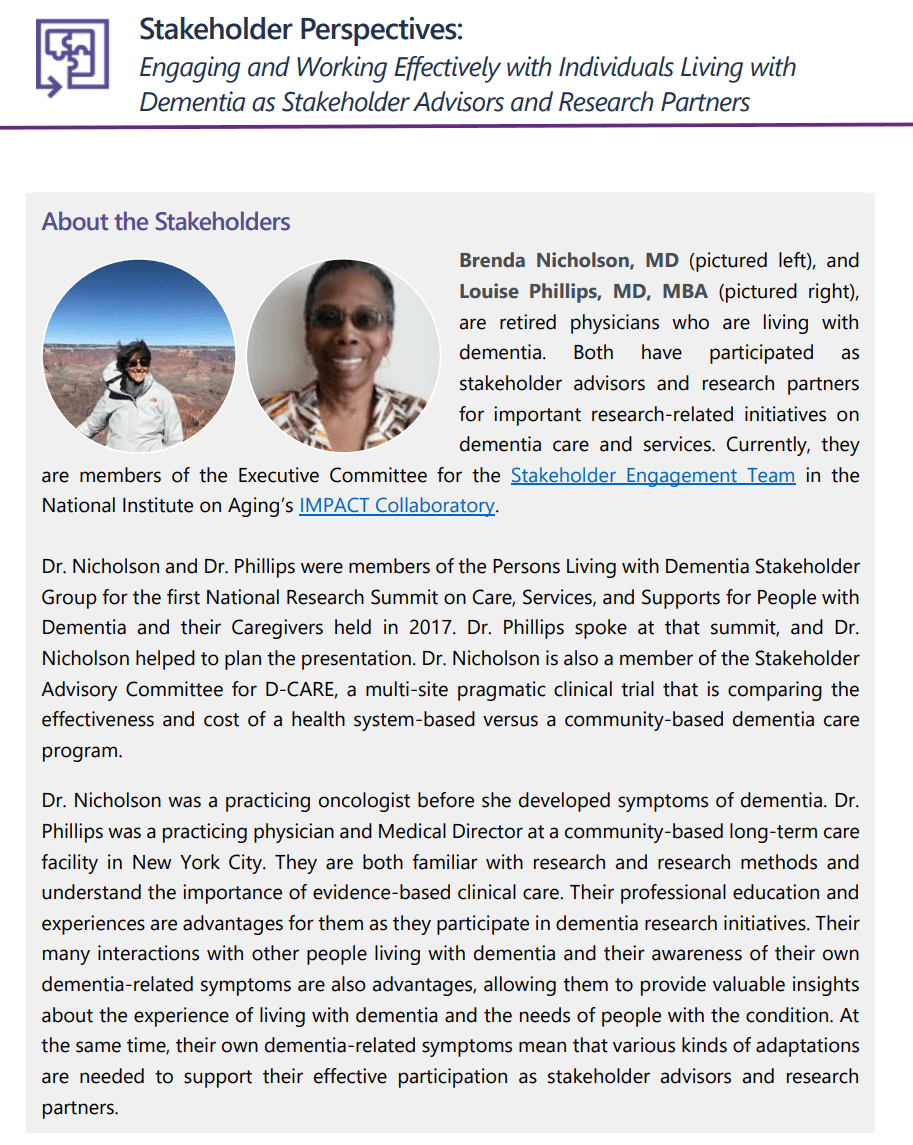
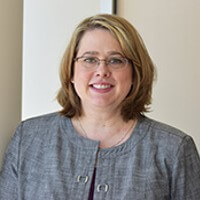
Louise Phillips (Left) and Brenda Nicholson (Right)

Members of the Executive Committee for the IMPACT Engaging Partners Team have collaborated to create a guide for researchers seeking stakeholder advisors living with dementia.

Brenda Nicholson, MD , and Louise Phillips, MD, MBA, are retired physicians who are living with dementia. Both have participated as stakeholder advisors and research partners for important research-related initiatives on dementia care and services. They collaborated with Katie Maslow, MSW, to create the perspective piece entitled, Engaging and Working Effectively with Individuals Living with Dementia as Stakeholder Advisors and Research Partners.

Dr. Nicholson and Dr. Phillips provided three reasons why they participate as stakeholder advisors and research partners in dementia care research:

  • They hope to encourage more research on topics that are important and relevant for the well-being of people living with dementia and their families
  • They hope their participation will help convince researchers that it is valuable to include people living with dementia as research partners in their dementia care studies; so, in a sense, to “break through the glass ceiling” in this research area
  • They hope their involvement as research partners will be a clear and present reminder to research team members of the real human needs of people living with dementia, which are sometimes lost in the strong focus on research procedures and challenges.

Dr. Nicholson and Dr. Phillips drew on their own experiences to offer tips to researchers, but also emphasized that each person living with dementia has their own unique needs and circumstances to consider. Their tips suggest the importance of considering the needs of stakeholder advisors throughout the engagement process; from planning the meeting format and time commitment, through post-meeting follow-up.  They stress the importance of providing multiple opportunities for advisors to share their ideas and have their voices heard. The full perspective piece can be found at this link.

Citation: Stakeholder Perspectives: Engaging and Working Effectively with Individuals Living with Dementia as Stakeholder Advisors and Research Partners. NIA IMPACT Collaboratory; 2021. doi: doi.org/10.58234/32478403
Click to view Stakeholder Perspectives

Challenges Implementing Innovative Programs in Long Term Care: Examples from Pragmatic Trials

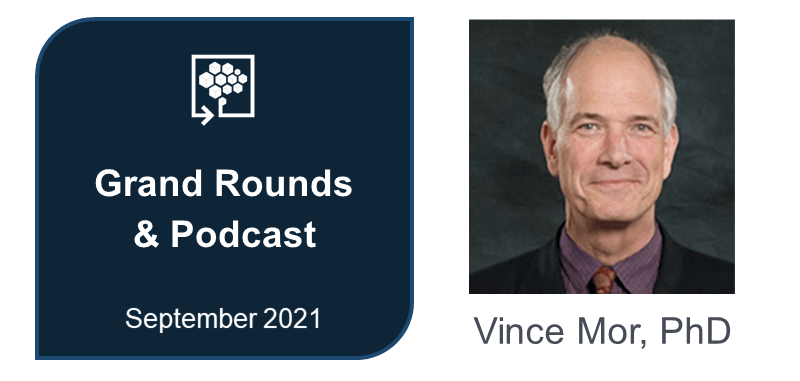
September 2021 – In Grand Rounds 19, Dr. Mor discusses the complexities of making changes in health care systems through four examples of embedded pragmatic clinical trials.


Speaker

Vincent Mor, PhD

Vincent Mor, PhD
Florence Grant Pirce Professor of Community Health
Brown University School of Public Health

                     Download Webinar Slides

Learning Objectives

  • Understand the complexities of Making Changes in Health Care Systems
  • Understand the kinds of Implementation Challenges that arise in conducting ePCTs in nursing homes
  • Understand the Implications of how difficult it is to Change Care Practices to improve Dementia care

Mor and team share results of IMPACT supplement award study evaluating impact of SARS-CoV-2 vaccine among nursing home residents

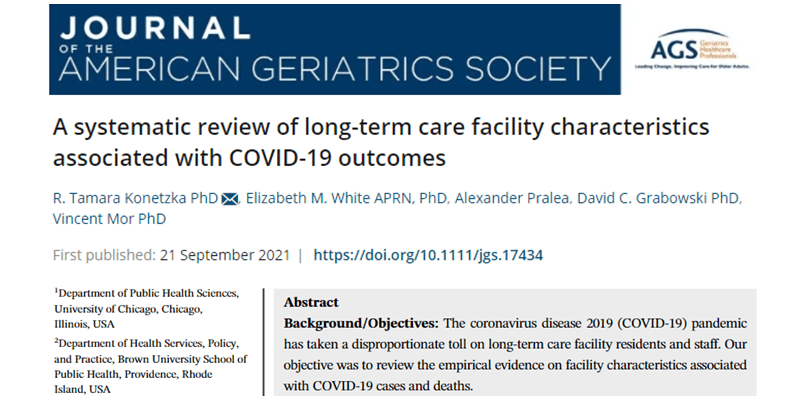
Vince Mor, PhD, one of IMPACT Collaboratory’s two Principal Investigators, and team recently shared results from their investigation into the impact of SARS-CoV-2 vaccine among nursing home residents from 280 nursing homes in 21 states.  Results were published in the Journal of the American Geriatrics Society on April 16th.

Researchers partnered with Genesis Healthcare, the largest long-term care provider in the country, for the study, which was a supplement award through the IMPACT Collaboratory.  They monitored the impact of the SARS-CoV-2 vaccine rollout among nursing home residents in 280 nursing homes within 21 states.  Both the Moderna and Pfizer-BioNTech vaccines were included in the study. Researchers created two groups of participating facilities based on the date of their initial vaccine clinic and conducted a matched pair analysis of outcomes.

One week after their initial vaccine clinics, nursing homes with earlier clinics had 2.5 fewer new SARS‐CoV‐2 infections per 100 at‐risk residents than expected based on the experiences of matched facilities with later clinics. Cumulatively over 7 weeks, earlier vaccinated facilities had 5.2 fewer infections per 100 at‐risk residents and 5 fewer hospitalizations and/or deaths per 100 infected residents than expected without vaccinations. These results indicate that the vaccine led to a reduction in incident infections, morbidity, and mortality in this large multi-state nursing home population.

The researchers also suggested the findings support efforts to begin resuming family visitation and lessen other restrictions in nursing homes.

Read the full article at this link.

Grand Rounds September 2020

Not all approaches to data are equal: Data-related challenges for pragmatic trials involving PLWD

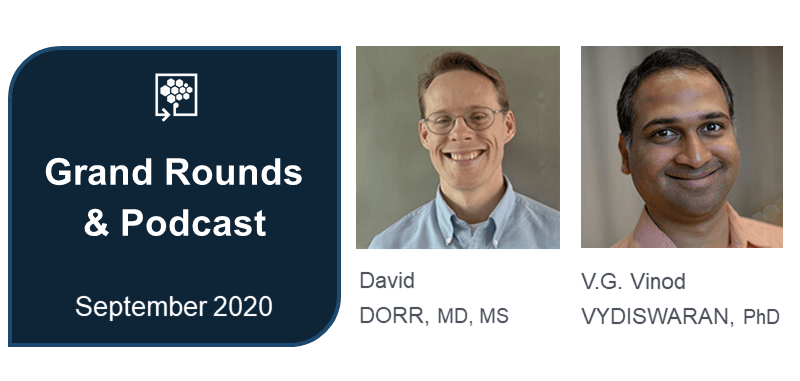
September 2020 – In Grand Rounds 9, Members of IMPACT's Technical Data Core (TDC) discuss how data algorithms from electronic health records (EHRs) are used to identify, characterize and capture relevant health outcomes of people living with dementia (PLWD) and their care partners.

Download webinar slides.


Speakers

David Dorr, MD, MS

David Dorr, MD, MS

Executive Committee, Technical Data Core
Professor and Vice Chair of Medical Informatics and Clinical Epidemiology
Professor of Medicine, Division of General Internal Medicine and Geriatrics
Chief Research Information Officer, Biomedical Informatics Graduate Program, Oregon Health & Science University School of Medicine

V.G. Vinod Vydiswaran, PhD

V.G. Vinod Vydiswaran, PhD

Executive Committee, Technical Data Core
Assistant Professor of Learning Health Sciences, University of Michigan

Learning Objectives

  • Understand key data-related steps involved in designing pragmatic trials and trade-offs
  • Identify data-driven approaches to identify people living with dementia and caregivers - focus on EHR
  • Identify challenges in validating approaches in different healthcare settings
Grand Rounds July 2020

Breaking the Cycle: Health Care Systems Interactions for Impactful Results

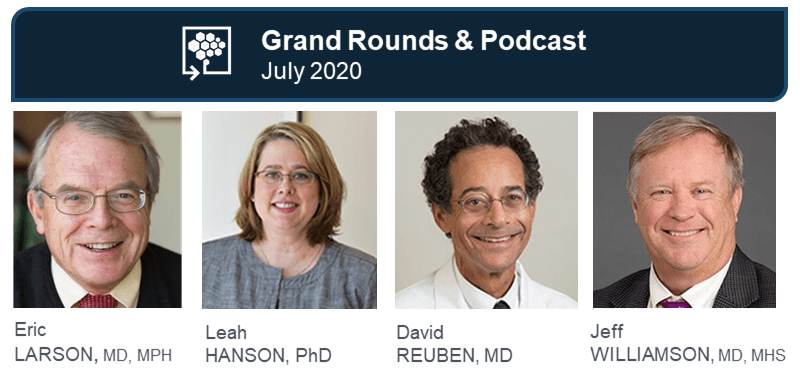
July 2020 – Grand Rounds 8, Members of the IMPACT Health Care Systems Core share how embedded pragmatic trials can benefit both health care systems and the research community.

Download webinar slides.

Eric Larson, MD, MPHEric Larson, MD, MPH

Core Leader, Health Care Systems Core
Member, Steering Committee

Vice President, Research and Health Care Innovation, Kaiser Foundation Health Plan of Washington
Executive Director and Senior Investigator, Kaiser Washington Health Research Institute

Leah Hanson, PhD

Leah Hanson, PhD

Associate Core Leader, Health Care Systems Core

Senior Research Investigator, Senior Director of Research at HealthPartners Neuroscience Center, HealthPartners Institute
Co-Director of Research, HealthPartners Center for Memory & Aging

Jeff Williamson, MD, MHS

Jeff Williamson, MD, MHS

Executive Committee, Health Care Systems (HCS) Core
Steering Committee Member

Professor, Chief of Geriatric Medicine, and Director for Center for Healthcare Innovation, Wake Forest School of Medicine

David Reuben, MD

David Reuben, MD

Executive Committee, Health Care Systems (HCS) Core

Archstone Professor of Medicine, Director, UCLA Multicampus Program in Geriatric Medicine and Gerontology, David Geffen School of Medicine at UCLA

Learning Objectives

  • Communicate the need and promise for improvement of dementia care with embedded pragmatic trials within dynamic health care settings.
  • Review what we have found to be key components of ePCT trial design and conduct for ensuring that study results are implementable.
  • Provide learnings of two ePCT trialists from The Dementia Care Study: A Pragmatic Clinical Trial of Health System-Based Versus Community-Based Dementia Care (D-CARE)