
Methods for Designing Cluster Randomized Trials to Detect Treatment Effect Heterogeneity

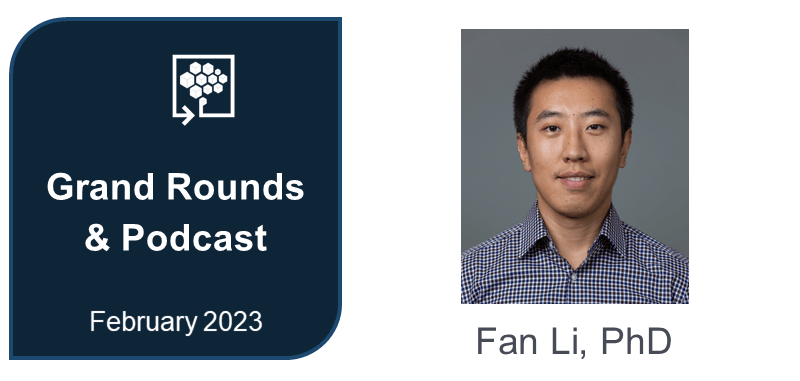
February 2023 – In Grand Rounds 34, IMPACT Design and Statistics Executive Committee Member, Dr. Li, sheds light on several methods for designing cluster randomized trials (CRTs) to detect the variability of treatment effects for individuals within a population, also known as heterogeneity of treatment effect (HTE).
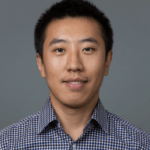
Speaker

Fan Li, PhD

Fan Li, PhD

Assistant Professor
Department of Biostatistics

Yale School of Public Health

Learning Objectives

  • Understand the sample size requirements for testing treatment effect heterogeneity in cluster randomized trials.
  • Be aware of tools for designing cluster randomized trials.
  • A call for involving statisticians at the outset to design cluster randomized trials.
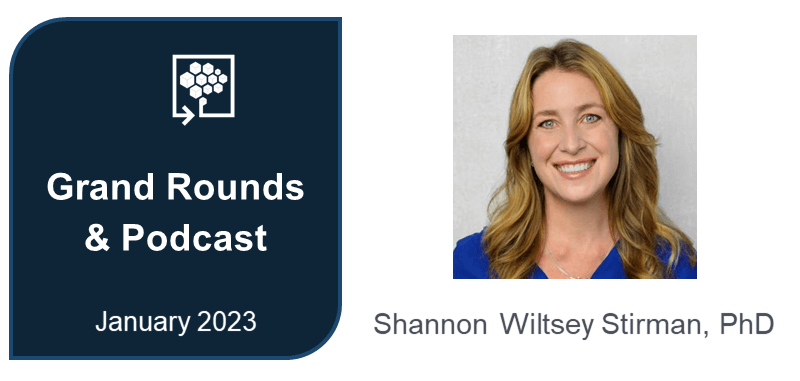
 

Adaptation of behavioral interventions and use of FRAME

January 2023 – In Grand Rounds 33, Dr. Wiltsey Stirman dives into the adaptations of behavioral interventions and describes how the FRAME process can be used to document those adaptations and modifications.

Speaker

Shannon Wiltsey Stirman, PhDShannon Wiltsey Stirman, PhD

Associate Professor
Psychiatry and Behavioral Sciences

Stanford University

Learning Objectives

  • Discuss factors that should be considered when adapting behavioral interventions.
  • Describe how the FRAME can be used to document adaptations.
  • Provide examples of study designs to investigate the impact of adaptations.


The REGAIN Trial Experience

December 2022 – In Grand Rounds 32, Drs. Mark Neuman and Justin Clapp share results from the REGAIN trial on enrolling and retaining people living with dementia in pragmatic trials involving spinal vs. general anesthesia for hip fracture surgery.


Speakers

Mark Neuman, MD, MSc

Mark Neuman, MD, MSc

Horatio C. Wood Associate Professor of
Anesthesiology & Critical Care

University of Pennsylvania
Perelman School of Medicine

Webinar Recording

No Grand Rounds recording, but check out the podcast!


Justin Clapp, PhD, MPHJustin Clapp, PhD, MPH

Assistant Professor
Anesthesiology & Critical Care
Medical Ethics & Health Policy

University of Pennsylvania
Perelman School of Medicine

IMPACT hosts special webinar introducing the Long-Term Care Data Cooperative

December 2022 - The IMPACT Collaboratory hosted a special webinar event December 7, featuring leaders from the Long-Term Care (LTC) Data Cooperative who provided an introduction and overview to this powerful new resource. IMPACT’s Vince Mor, PhDDavid Dore, PharmD, PhD, from Exponent, and David Gifford, MD, MPH from the American Health Care Association (AHCA) shared insightful information with participants about the Data Cooperative, its membership, how to join, and options for data access.

Download webinar slides.                                  Download the transcript.

The LTC Data Cooperative will:

  • Assist providers with health care operations, including care coordination, risk stratification and quality performance reporting.
  • Support public health monitoring for medical conditions and infections, including COVID-19.
  • Enable observational studies of the LTC population, ranging from comparative treatment effectiveness studies, to epidemiological studies of risk to pharmaco-epidemiological studies.
  • Facilitate provider and patient recruitment into clinical research studies, including stage 3 and 4 embedded pragmatic clinical trials.

Vince Mor, PhD
Brown University


David Gifford, MD, MPH
American Health Care Association


David Dore, PharmD, PhD
Exponent, Inc.

Addressing vulnerability in cluster randomized trials involving people living with dementia in nursing homes

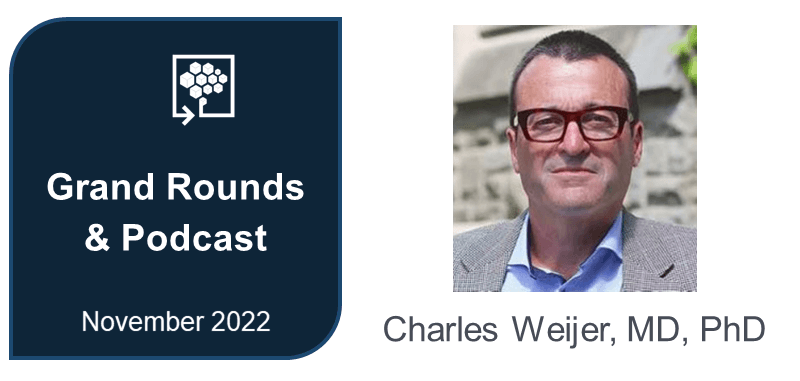
November 2022 – In Grand Rounds 31, Dr. Weijer shares six different vulnerabilities, and key methods of protection to address them, in cluster randomized trials for people living with dementia in long-term care home settings.

Speaker

Charles Weijer, MD, PhDCharles Weijer, MD, PhD

Professor

Western University

Developing standards and quality metrics for clinical phenotyping using EHR data in pragmatic clinical trials

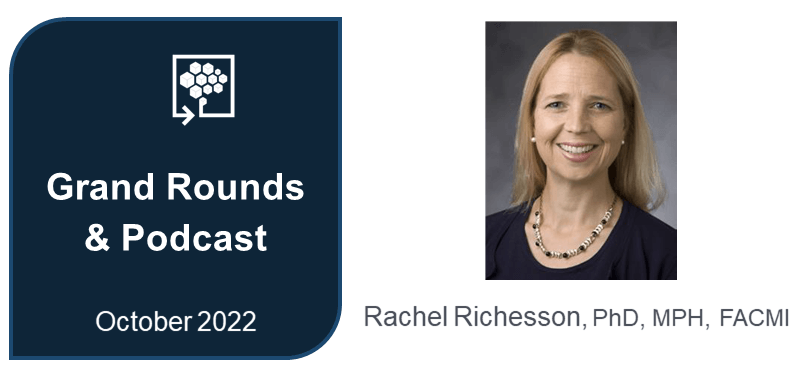
October 2022 – In Grand Rounds 30, Dr. Richesson describes the use of electronic health records (EHR) to develop standards and quality metrics for computable phenotyping in pragmatic clinical trials.

Speaker

Rachel Richesson, PhD, MPH, FACMI

Rachel Richesson, PhD, MPH, FACMI

Professor
Informatics & Learning Health Sciences

University of Michigan School of Medicine

                       Download Webinar Slides

Learning Objectives

  • Define computable phenotyping and discuss its relevance to pragmatic clinical trials.
  • Discuss approaches to find existing phenotypes and to assess their quality and appropriateness for certain uses.
  • Discuss the importance of reporting phenotype definition features and data quality assessment for pragmatic research.


CHATO design, pilot testing and update on current implementation and results

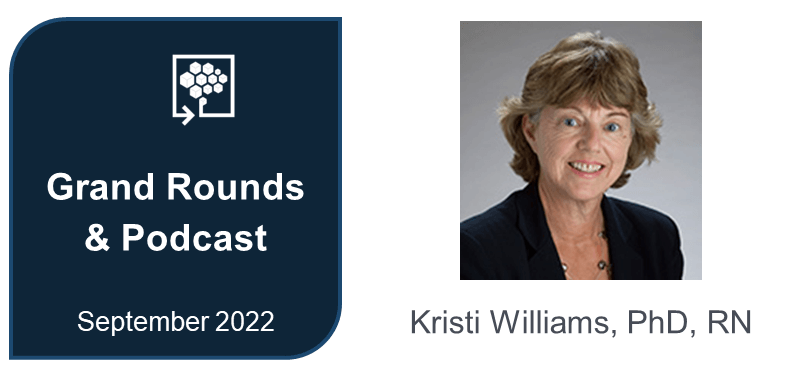
September 2022 – In Grand Rounds 29, Dr. Kristi Williams, professor and nurse gerontologist at the University of Kansas, shares results and updates on the intervention, CHATO, for long-term care residents with Alzheimer's disease and other related dementias.

Speaker

Kristi Williams, PhD, RN

Kristi Williams, PhD, RN

Professor

University of Kansas School of Nursing

                      Download Webinar Slides

Learning Objectives

  • Describe the design of a pragmatic randomized clinical trial.
  • Become aware of common challenges to conducting research in Nursing Homes.
  • Describe a variety of proximal and distal outcome measures related to improved dementia care.


June 2022 Grand Rounds & Podcast

Update on IMPACT Funded Pilot Studies

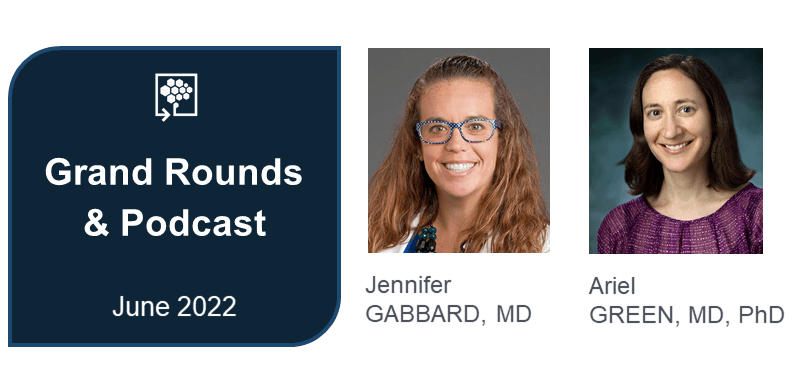
June 2022 – In Grand Rounds 28, Drs. Jennifer Gabbard and Ariel Green share research updates and experiences on IMPACT Cycle 2A Pilot Studies.


Jennifer Gabbard, MD on her pilot: Using Telemedicine to Improve Engagement in Advance Care Planning in Patients with Cognitive Impairment or Unrecognized Dementia

Ariel Green, MD, MPH, PhD on her pilot: ALIGN: Aligning Medications with What Matters Most

Webinar Recording

Download Webinar Slides

Speakers

Jennifer Gabbard, MDJennifer Gabbard, MD

Assistant Professor
Geriatrics and Palliative Medicine

Wake Forest School of Medicine

Ariel Green, MDAriel Green, MD, MPH, PhD

Associate Professor
Geriatrics Medicine and Gerontology

Johns Hopkins University School of Medicine

Learning Objectives

  • Understand the approach used to conduct an embedded pragmatic trial of advance care planning (ACP) intervention (TeleVoice) in outpatient primary care.
  • Understand the rationale and design of the ALIGN pilot study.
  • To appreciate the successes and challenges encountered in implementing an embedded pragmatic trial for people living with cognitive impairment (PLCI) and dementia (PLWD) in primary care.
  • To describe updates on our pilot progress to date and plans for a larger embedded pragmatic clinical trial.


Bayliss and Boyd

Deprescribing Education vs Usual Care for Patients with Cognitive Impairment and Primary Care Clinicians: The OPTIMIZE Pragmatic Cluster Randomized Trial

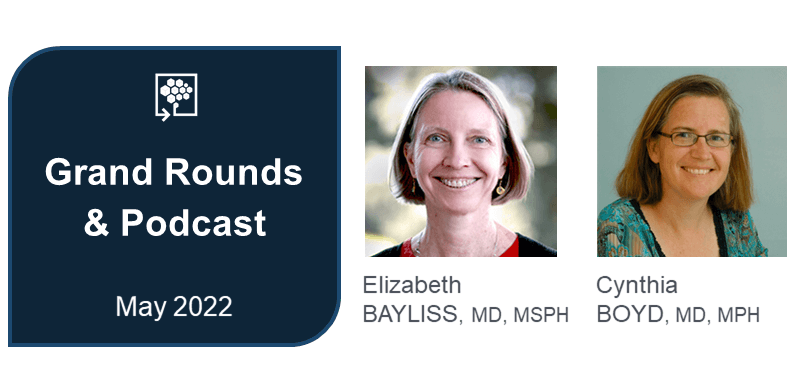
May 2022 – In Grand Rounds 27, the NIA IMPACT Collaboratory collaborated with the US Deprescribing Research Network (USDeN) to present on the OPTIMIZE Pragmatic Cluster Randomized Trial.

Download Webinar Slides

Speakers

Elizabeth BaylissElizabeth Bayliss, MD, MSPH

Senior Investigator
Institute for Health Research
Kaiser Permanente Colorado

Professor of Family Medicine
University of Colorado School of Medicine


Cynthia Boyd, MD, MPHCynthia Boyd, MD, MPH

Professor
Medicine, Epidemiology, and Health Policy & Management

Johns Hopkins University School of Medicine

Learning Objectives

  • Understand the approach used to conduct a pragmatic trial of deprescribing education in primary care
  • Describe cognitively impaired populations that may benefit from deprescribing education in primary care
  • Discuss potential adaptations of a deprescribing education intervention in a large health system