
IMPACT Collaboratory Announces Recipients of Two Funding Mechanisms: Demonstration Projects and Pilot Grants

The NIA IMPACT Collaboratory is pleased to announce the awardees of the Demonstration Projects Program Cycle 2 and the Pilot Grants Program Cycle 3B. Awardees of these opportunities will be supported by IMPACT’s Cores and Teams to conduct embedded pragmatic clinical trials (ePCTs) of non-pharmacological interventions within healthcare systems to improve care for people living with Alzheimer’s disease and Alzheimer’s disease related dementias (AD/ADRD) and their care partners. The IMPACT Collaboratory prioritizes applications that promote health equity and address dementia care for people of all backgrounds. Learn more about IMPACT Collaboratory funding opportunities and general information on the website. Read more about these opportunities and our newest awardees below.

Demonstration Projects Program Cycle 2

The Demonstration Projects Program is a funding mechanism developed to support full-scale, Stage IV effectiveness ePCTs (based on the NIH Stage Model) that test non-pharmacological interventions for people living with AD/ADRD and their care partners embedded within and linked to the needs of a health care system. The goal of Demonstration Projects is to generate evidence on effective care delivery practices that can be expanded and/or implemented in other systems. The intervention typically includes relatively simple system changes, direct patient outreach, or successfully piloted programs ready for testing at scale.

Cycle 2 recipients are:

  • Ira Hofer, MD, Icahn School of Medicine, and Susana Vacas, MD, PhD, Massachusetts General Hospital, Harvard Medical School
    Mitigation of Postoperative Delirium in High-Risk Patients
  • Lisa Kern, MD, MPH, Weill Cornell Medicine
    Improving How People Living with Dementia are Selected for Care Coordination: A Pragmatic Clinical Trial Embedded in an Accountable Care Organization

Pilot Grant Program Cycle 3B

The Pilot Grant Program funds several one-year pilots for ePCTs that test non-pharmacological interventions embedded in health care system(s) to improve care for people living with AD/ADRD and their care partners. Pilot studies are conducted to generate the preliminary data necessary to design and conduct future full-scale Stage IV effectiveness ePCT (based on the NIH Stage Model) that will be funded through other grant mechanisms (National Institutes of Health or other sources).

Cycle 3B recipients are:

  • Jennifer Carnahan, MD, MPH, MA, Indiana University School of Medicine
    Embedded Clinical Trial of Patient Priorities Care Among People Living with Mild Cognitive Impairment and Dementia
  • Helen Kales, MD, University of California, Davis
    Reducing Inappropriate Medication use for Behavioral and Psychological Symptoms of Dementia and Improving Health Outcomes in People Living with Dementia
  • Donovan Maust, MD, MS, University of Michigan
    A Patient-Facing Tool to Reduce Opioid, Psychotropic Polypharmacy in People Living With Dementia
  • Elizabeth Phelan, MD, MS, University of Washington
    Deprescribing to Reduce Injurious Falls among Older Adults with Dementia (STOP-FALLS-D)
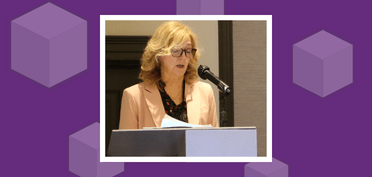
Mission Moment: Barbara Healy, RN, MSN, Care Coordinator, MassGeneral Brigham Integrated Care Management Program

Barbara Healy, RN, BSN, MSN, CCM, NC-BC, Care Coordinator, MassGeneral Brigham Integrated Care Management Program provided this year’s mission moment for the IMPACT Collaboratory 3rd Annual Steering Committee & Business Planning Meeting, held on April 5, 2022.

Ms. Healy shared her unique experience in her role as nursing care manager working on the front line as a care coordinator in a pilot pragmatic clinical trial embedded within a healthcare system.

Ms. Healy provided valuable insights from the perspective of a frontline member of the healthcare team working with researchers to conducting pragmatic clinical trial among people living with dementia in real world care settings. She also shared lessons learned and themes for consideration as researchers design and implement pragmatic trials embedding in real world settings in the future.

Remarks from the National Institute on Aging

IMPACT Richard J. Hodes, MD, Director of the National Institute of Aging reflected on what he described as the enormous success of the first three years of the IMPACT Collaboratory during the IMPACT Collaboratory 3rd Annual Steering Committee & Business Planning Meeting, held on April 5, 2022.

Dr. Hodes discussed the development of a strong network of investigators and infrastructure for conducting embedded pragmatic clinical trials (ePCTs) in people living with dementia and their care partners, the development of an array of training resources, and IMPACT’s response to the COVID pandemic.  He closed with anticipation of future successes including continued investments in training, infrastructure development, knowledge dissemination, and stakeholder engagement.

IMPACT Members Publish Three Papers as Part of NIA Consensus Conference

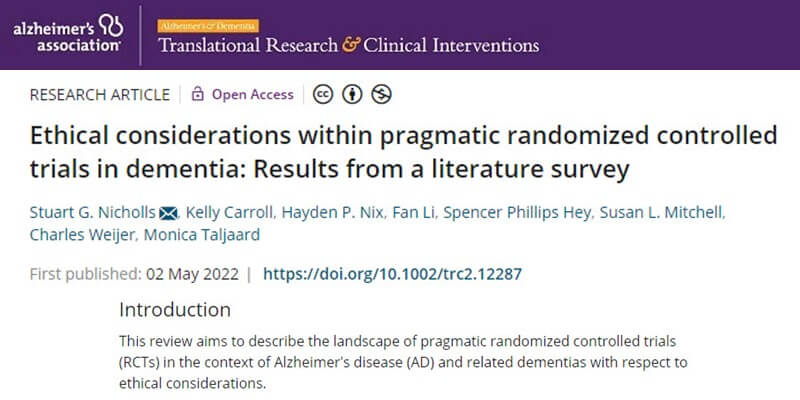
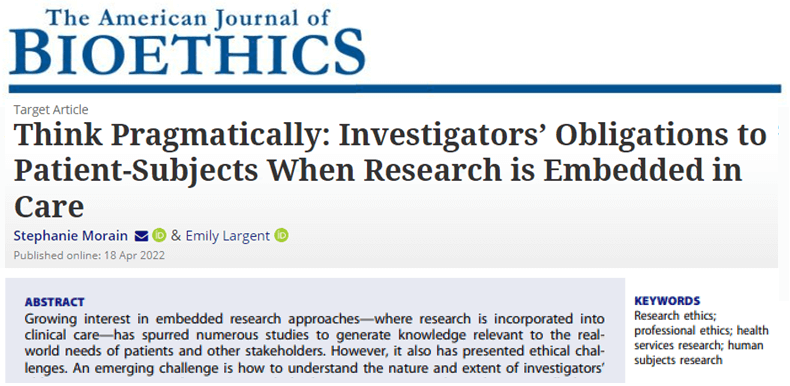
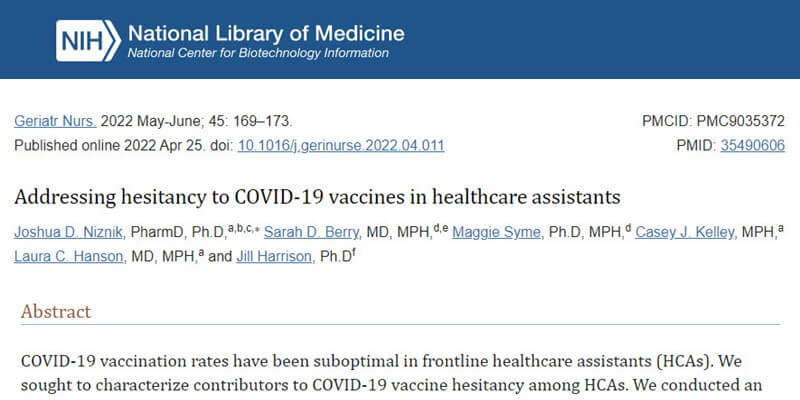
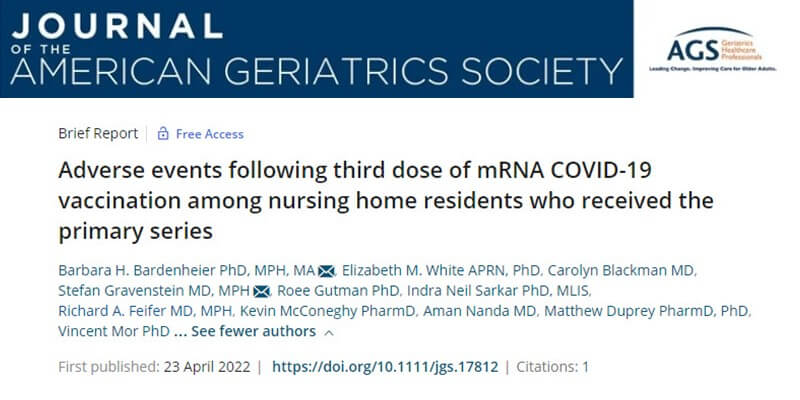
Multiple IMPACT members participated in the National Institute on Aging (NIA) R13 consensus conference, Pragmatic Trials in Long-Term Care: A Consensus Conference, held virtually on March 10, 2021.  The event was funded by the NIA and led by editors of three leading geriatrics journals:  JAMDA (The Journal of Post-Acute and Long-Term Care Medicine), JAGS (The Journal of the American Geriatrics Society), and Geriatric Nursing.

The goal of the conference was to identify priorities and best practices for pragmatic trials in long-term care, with a focus on care for persons with dementia.  The target audience was providers, researchers, and policy makers who aim to promote better care in nursing homes, assisted living communities, and other residential settings that serve older adults. Speakers included internationally renowned research experts, directors of national long-term care organizations, and leaders of national associations and societies. IMPACT Member Participants include Joe Gaugler, PhD, David Gifford, MD, MPH, Laura Hanson, MD, MPH, Vince Mor, PhD, Kathleen Unroe, MD, MHA, Sheryl Zimmerman, PhD.

Three papers that resulted from the event are featured in the March 2022 edition of JAMDA.  Due to the importance of the topic and the fact that the conference was sponsored by three journals, the resulting papers are being published in JAMDA, JAGS, and Geriatric Nursing.

Best Practices for Integrating Health Equity into Embedded Pragmatic Clinical Trials for Dementia

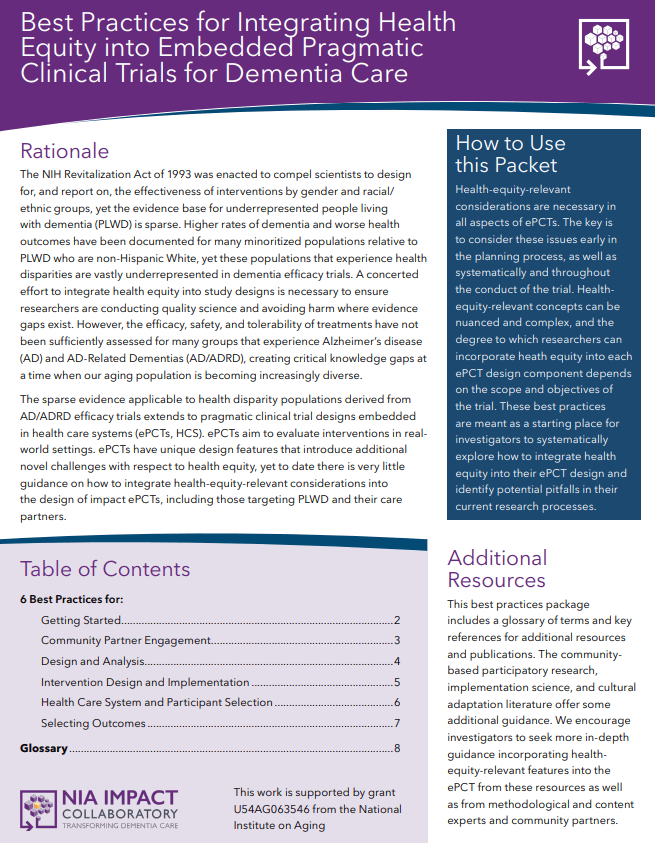
The IMPACT Collaboratory’s leadership and Health Equity Team have worked with experts from across the Collaboratory to create a set of best practices related to integrating health equity into the design and conduct of embedded pragmatic clinical trials for people living with dementia and their care partners.

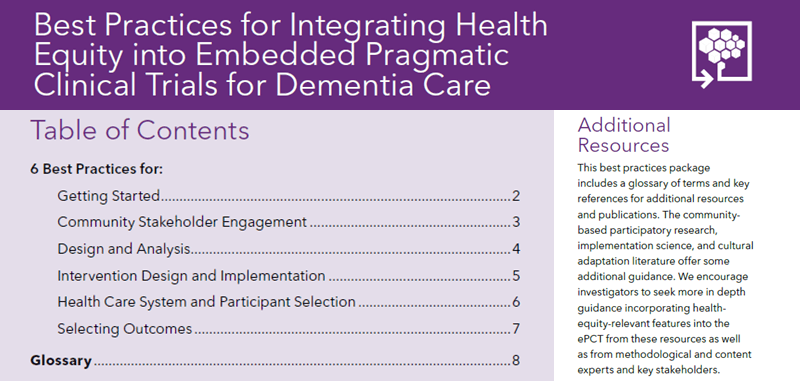
The guidance document includes a brief introduction, followed by best practices for six specific areas of concern including:

• Getting Started
• Community Partner Engagement
• Design and Analysis
• Intervention Design and Implementation
• Health Care System and Participant Selection
• Selecting Outcomes

Each of the focus areas includes best practices along with brief explanations for why these practices are important, and suggestions for their implementation.

In addition to the six separate focus area sheets, the document includes an extensive glossary of terms and key references for additional resources and key publications.

View the guidance document here.

Citation: Best Practices for Integrating Health Equity into Embedded Pragmatic Clinical Trials for Dementia Care. NIA IMPACT Collaboratory; 2022. doi: doi.org/10.58234/74152992
Open Health Equity Best Practices PDF